
Just a few weeks before Thomas Edison invented the first light bulb In 1879, eight physicians invested $5,000 and established the Arkansas Industrial Medical Department, first medical school in Arkansas, in the old Sperindio Restaurant Hotel in downtown Little Rock.
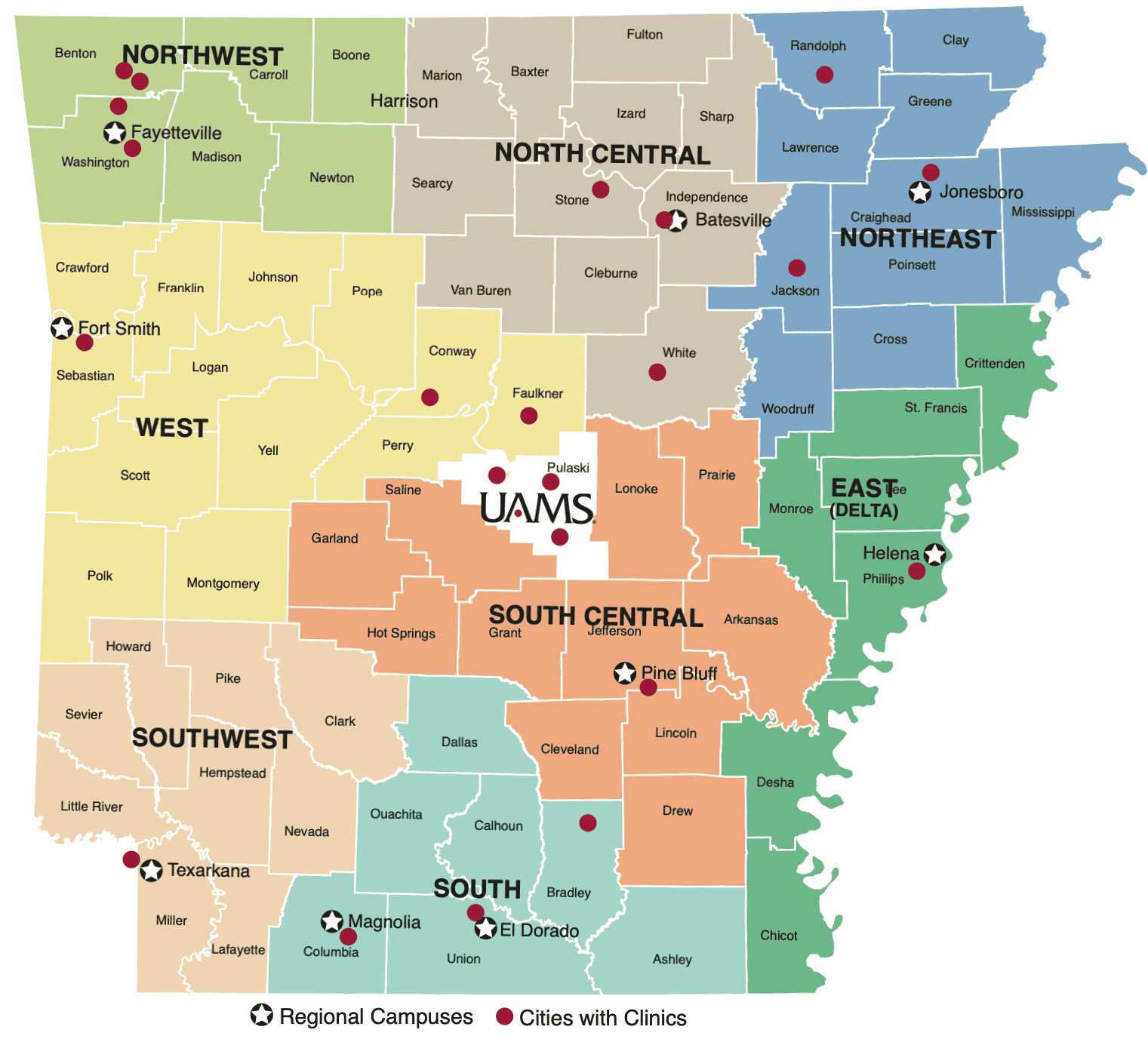
That medical school has evolved into what is now UAMS, the state’s only health sciences university with a physical footprint reaching across the state. That footprint includes the main campus and various clinics in Little Rock, nine regional campuses, 11 Kids First Sites, six Head Start sites, and a variety of pediatric and adult specialty clinics serving the people of Arkansas.
As the health care needs of the people of Arkansas have grown, so have facilities at UAMS. Growth in recent years has been robust with a wide array of new facilities opening since Chancellor Patterson arrived in 2018. Those have included the new East Central Energy Plant, The Orthopaedic and Spine Hospital, the Urology Center, the Proton Center of Arkansas, the Family Medical Center at UAMS East, a new Radiation Oncology Center, the Child Development Center, the cancer clinic and infusion center at Baptist Health, the state’s only Milk Bank and the Orthopaedic Clinic in North Little Rock. Construction will begin in 2024 on a new sports performance center in Northwest Arkansas.
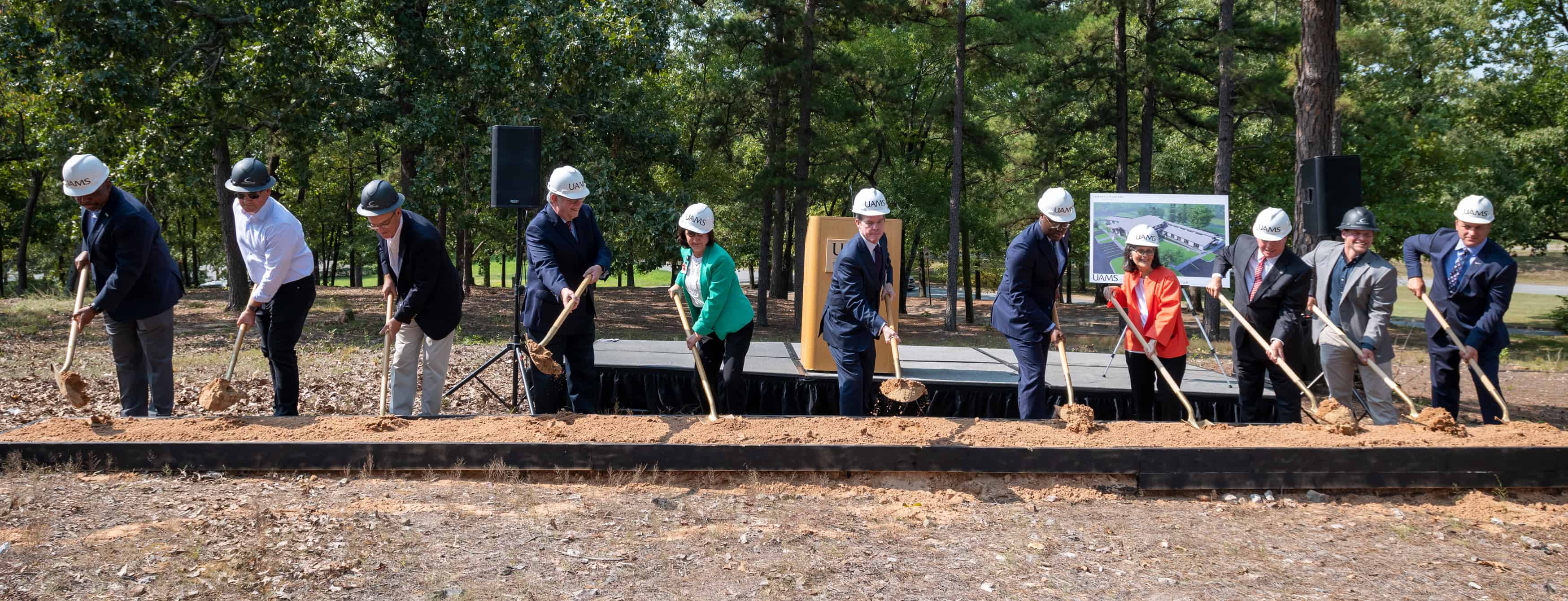
Child Development Center Groundbreaking
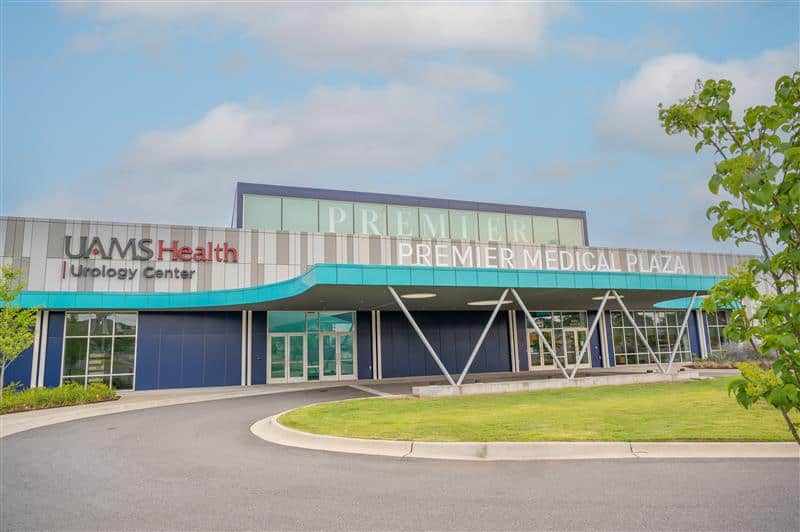
Urology Center
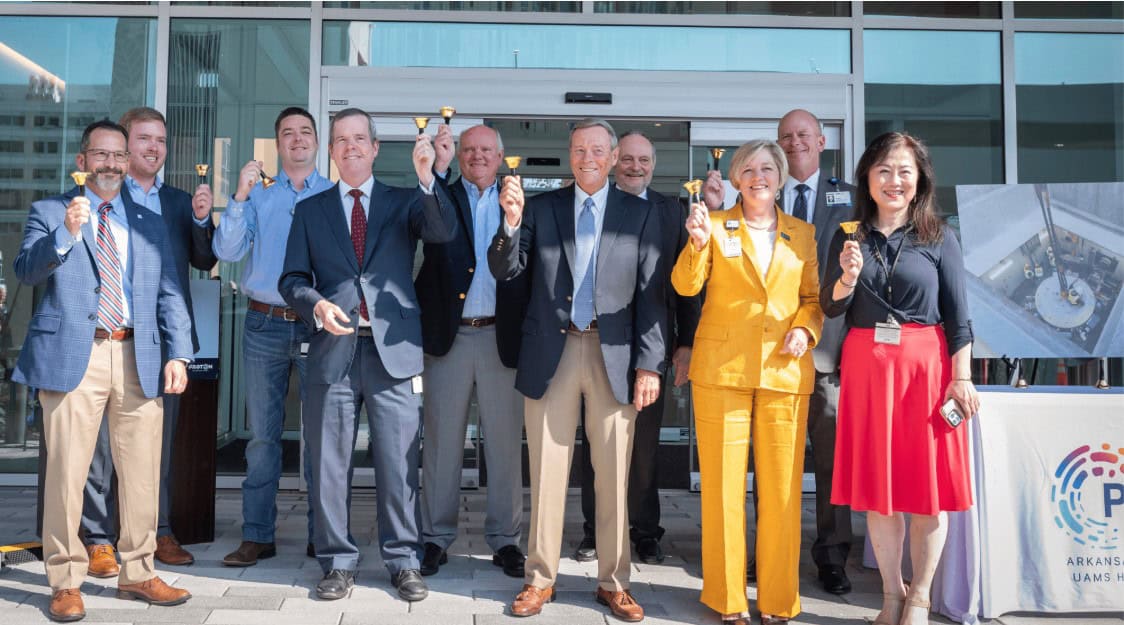
Proton Center of Arkansas Bell Ringing
Sustainability
A leader in the sustainability space, UAMS has committed to the U.S. Department of Health and Human Services Climate Pledge, participated in the National Academy of Medicine (NAM) Climate Collaborative, and acknowledged its role as a teaching institution to educate the next generation of medical professionals about how health care affects climate change.
As a result, UAMS has achieved a 39 percent reduction in greenhouse gas emissions, saved $5.6 million in annual energy costs, and saved $3.2 million in annual operational costs. UAMS is home to one of the largest heat pump chillers in the United States and has added other units to reduce natural gas consumption and cost. Savings from these pumps funded other energy efficiency work, including replacing aging equipment.
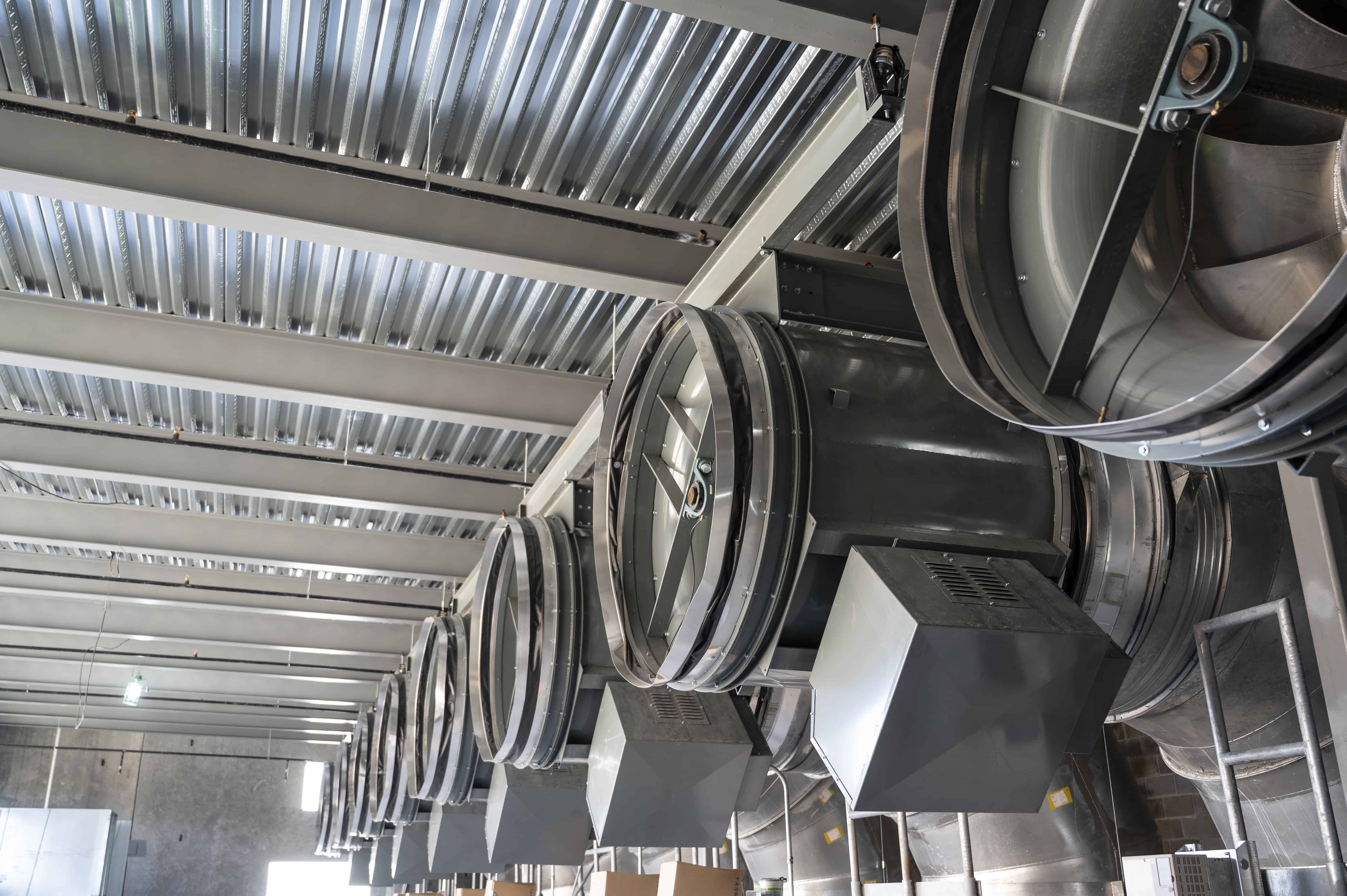
Inside the Energy Plant
In fact, UAMS became the site of the first large scale (1000 tons of cooling) heat pump heater chiller in the United States in 2008, and quickly added a second 1800-ton unit because of the tremendous reduction in natural gas consumption and cost. The success of these efforts provided the proof of concept of large-scale energy-based projects and eventually resulted in support for a $150 million performance contract that expanded energy efficiency efforts through an LED retrofit, a building controls upgrade and retro-commission, and replacement of aging and inefficient infrastructure.
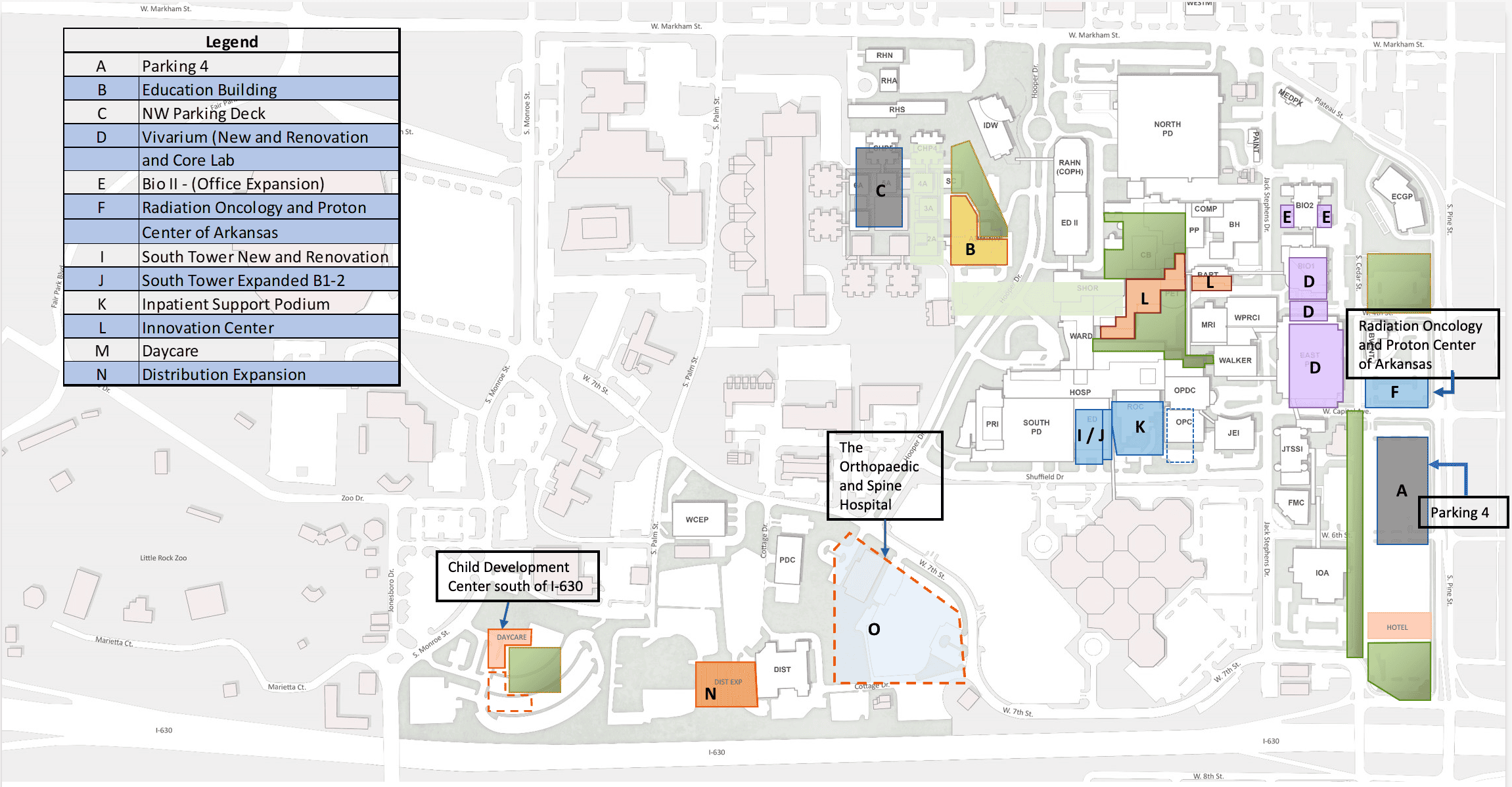
UAMS Master Plan
Deferred Maintenance
Several UAMS locations include myriad facilities, some more than 50 years old, that as they age require updates. UAMS has approximately $450 million in deferred maintenance needs that encompass several buildings on the Little Rock campus. These facilities, many of which have stood for decades, have never received upgrades in plumbing, electrical and other vital systems. The following needs must be addressed to bring these buildings up to date and ensure that they continue to serve patients and students for years to come.
- The Central Building, built in 1955, portions of which are still used for health care, has approximately $150 million in deferred maintenance needs.
- The Shorey Building, built in 1957, has about $50 million in deferred maintenance needs.
- The Education II Building, built in 1977, has about $55 million in deferred maintenance needs
- Interconnected piping between the two major power plants, opened in 2007 and 2022, is undersized and upgrading will cost an estimated $15 million.
- Ward Tower, built in 1997, has approximately $55 million in deferred maintenance.
- The Patient Tower, built in 2008, has approximately $40 million in deferred maintenance.
- Jones Eye Institute, bult in 1993, has about $20 million in deferred maintenance.
- The Outpatient Center, constructed in 1978 and expanded in 1996, needs about $30 million in deferred maintenance.
- Biomedical Research Building One, built in 1993, has approximately $35 million in deferred maintenance.